Hanuman Chalisa
Hanuman Chalisa, a sacred hymn dedicated to Lord Hanuman, holds profound significance in Hindu spirituality. It is a devotional prayer composed by the saint-poet Tulsidas in the Awadhi language during the 16th century. The prayer encapsulates the virtues, exploits, and devotion of Lord Hanuman, the epitome of strength, loyalty, and devotion in Hindu mythology.
दोहा
श्रीगुरु चरन सरोज रज, निजमन मुकुरु सुधारि। बरनउं रघुबर बिमल जसु, जो दायक फल चारि।।
बुद्धिहीन तनु जानिके, सुमिरौं पवन-कुमार। बल बुधि बिद्या देहु मोहिं, हरहु कलेस बिकार।।
चौपाई
जय हनुमान ज्ञान गुन सागर। जय कपीस तिहुं लोक उजागर।।
राम दूत अतुलित बल धामा। अंजनि-पुत्र पवनसुत नामा।।
महाबीर बिक्रम बजरंगी। कुमति निवार सुमति के संगी।।
कंचन बरन बिराज सुबेसा। कानन कुण्डल कुँचित केसा।।
हाथ बज्र औ ध्वजा बिराजे। कांधे मूंज जनेउ साजे।।
शंकर सुवन केसरी नंदन। तेज प्रताप महा जग वंदन।।
बिद्यावान गुनी अति चातुर। राम काज करिबे को आतुर।।
प्रभु चरित्र सुनिबे को रसिया। राम लखन सीता मन बसिया।।
सूक्ष्म रूप धरि सियहिं दिखावा। बिकट रूप धरि लंक जरावा।।
भीम रूप धरि असुर संहारे। रामचन्द्र के काज संवारे।।
लाय सजीवन लखन जियाये। श्री रघुबीर हरषि उर लाये।।
रघुपति कीन्ही बहुत बड़ाई। तुम मम प्रिय भरतहि सम भाई।।
सहस बदन तुम्हरो जस गावैं। अस कहि श्रीपति कण्ठ लगावैं।।
सनकादिक ब्रह्मादि मुनीसा। नारद सारद सहित अहीसा।।
जम कुबेर दिगपाल जहां ते। कबि कोबिद कहि सके कहां ते।।
तुम उपकार सुग्रीवहिं कीन्हा। राम मिलाय राज पद दीन्हा।।
तुम्हरो मंत्र बिभीषन माना। लंकेश्वर भए सब जग जाना।।
जुग सहस्र जोजन पर भानु। लील्यो ताहि मधुर फल जानू।।
प्रभु मुद्रिका मेलि मुख माहीं। जलधि लांघि गये अचरज नाहीं।।
दुर्गम काज जगत के जेते। सुगम अनुग्रह तुम्हरे तेते।।
राम दुआरे तुम रखवारे। होत न आज्ञा बिनु पैसारे।।
सब सुख लहै तुम्हारी सरना। तुम रच्छक काहू को डर ना।।
आपन तेज सम्हारो आपै। तीनों लोक हांक तें कांपै।।
भूत पिसाच निकट नहिं आवै। महाबीर जब नाम सुनावै।।
नासै रोग हरे सब पीरा। जपत निरन्तर हनुमत बीरा।।
संकट तें हनुमान छुड़ावै। मन क्रम बचन ध्यान जो लावै।।
सब पर राम तपस्वी राजा। तिन के काज सकल तुम साजा।।
और मनोरथ जो कोई लावै। सोई अमित जीवन फल पावै।।
चारों जुग परताप तुम्हारा। है परसिद्ध जगत उजियारा।।
साधु संत के तुम रखवारे।। असुर निकन्दन राम दुलारे।।
अष्टसिद्धि नौ निधि के दाता। अस बर दीन जानकी माता।।
राम रसायन तुम्हरे पासा। सदा रहो रघुपति के दासा।।
तुह्मरे भजन राम को पावै। जनम जनम के दुख बिसरावै।।
अंत काल रघुबर पुर जाई। जहां जन्म हरिभक्त कहाई।।
और देवता चित्त न धरई। हनुमत सेइ सर्ब सुख करई।।
सङ्कट कटै मिटै सब पीरा। जो सुमिरै हनुमत बलबीरा।।
जय जय जय हनुमान गोसाईं। कृपा करहु गुरुदेव की नाईं।।
जो सत बार पाठ कर कोई। छूटहि बन्दि महा सुख होई।।
जो यह पढ़ै हनुमान चालीसा। होय सिद्धि साखी गौरीसा।।
तुलसीदास सदा हरि चेरा। कीजै नाथ हृदय महं डेरा।।
Structure of the prayer
Comprising forty verses (chalisa), the Hanuman Chalisa is structured in a poetic format, with each verse elucidating various aspects of Hanuman’s divine attributes, exploits, and devotion to Lord Rama.
Devotion to Lord Hanuman
Beliefs and practices
Devotion to Lord Hanuman is deeply ingrained in Hindu culture, with millions of devotees worldwide chanting the Hanuman Chalisa daily. It is believed that sincere recitation of the prayer invokes Hanuman’s blessings, offering protection from evil forces and bestowing courage and strength upon the devotee.

Importance in Hinduism
Hanuman occupies a revered position in Hinduism as a symbol of unwavering devotion, loyalty, and selfless service. His character exemplifies righteousness and humility, making him a beloved deity worshipped for spiritual growth and overcoming obstacles.
Verses and Meaning
Breakdown of verses
Each verse of the Hanuman Chalisa holds profound meaning and symbolism, recounting Hanuman’s heroic deeds, wisdom, and devotion. From his role in the Ramayana to his eternal service to Lord Rama, every verse resonates with spiritual significance and divine grace.
Interpretation and symbolism
The verses of Hanuman Chalisa are not merely poetic expressions but encapsulate deeper spiritual truths and allegorical interpretations. They symbolize the triumph of good over evil, the power of devotion, and the eternal bond between the devotee and the divine.
Benefits of Reciting Hanuman Chalisa
Spiritual Significance
Reciting Hanuman Chalisa is believed to bestow spiritual blessings, fostering inner peace, and harmony. It is said to purify the mind, body, and soul, leading to spiritual enlightenment and divine grace.
Personal and emotional benefits
Beyond spiritual benefits, chanting Hanuman Chalisa is known to alleviate worldly troubles, fears, and anxieties. It instills confidence, courage, and resilience, empowering devotees to overcome life’s challenges with grace and fortitude.
Cultural Impact
Influence in literature and art
The influence of Hanuman Chalisa extends beyond religious boundaries, permeating literature, art, and cultural expressions. It has inspired countless literary works, devotional songs, and artistic renditions, reflecting Hanuman’s enduring legacy in Indian culture.
Festivals and celebrations
Hanuman Jayanti, the birth anniversary of Lord Hanuman, is celebrated with great fervor across India and among Hindu communities worldwide. Devotees gather in temples, recite Hanuman Chalisa, and engage in devotional activities to honor the beloved deity.
Stories and Legends
Tales of Hanuman’s devotion
Mythological narratives abound with stories of Hanuman’s unwavering devotion to Lord Rama. From retrieving the Sanjeevani herb to rescuing Sita from captivity, each tale illustrates Hanuman’s boundless love and dedication to his master.
Mythological significance
Hanuman’s exploits symbolize the triumph of righteousness and the victory of good over evil. His loyalty, courage, and humility serve as timeless examples of moral conduct and devotion in Hindu mythology.
How to Recite Hanuman Chalisa
Rituals and customs
Devotees recite Hanuman Chalisa with reverence and devotion, often following prescribed rituals and customs. Many perform ablutions, light incense, and offer prayers before chanting the prayer, seeking Hanuman’s blessings for protection and guidance.
Devotional practices
Reciting Hanuman Chalisa can be a deeply personal and meditative practice, fostering a profound connection with the divine. Some devotees recite it daily as part of their spiritual routine, while others turn to it in times of need or distress, seeking solace and strength.
Hanuman Chalisa Across the World
Spread of devotion
The devotion to Hanuman and the recitation of Hanuman Chalisa have transcended geographical boundaries, with millions of followers across the globe. Temples dedicated to Hanuman can be found in various countries, and the prayer has been translated into numerous languages, spreading the message of devotion and courage.
Global followership
Hanuman’s universal appeal resonates with people of diverse backgrounds and cultures, uniting them in a shared reverence for his divine attributes. From India to the diaspora communities around the world, devotees find solace and inspiration in the timeless wisdom of Hanuman Chalisa.
Modern Relevance
Adaptation in contemporary life
In today’s fast-paced world, the teachings of Hanuman Chalisa hold relevance, offering solace and guidance amidst life’s challenges. Many people turn to prayer for strength, courage, and clarity in times of adversity, finding inspiration in Hanuman’s unwavering devotion and indomitable spirit.
Reinterpretation in popular culture
Hanuman Chalisa continues to inspire contemporary artists, musicians, and writers, who reinterpret its themes in modern contexts. From devotional songs to digital artwork, Hanuman’s timeless saga resonates with audiences across generations, keeping his legacy alive in the digital age.
Conclusion
Hanuman Chalisa stands as a timeless testament to devotion, courage, and spiritual enlightenment. Its verses resonate with profound wisdom and eternal truths, offering solace and guidance to millions of devotees worldwide. As we chant the Hanuman Chalisa, may we be blessed with the strength, courage, and devotion of Lord Hanuman in our lives.
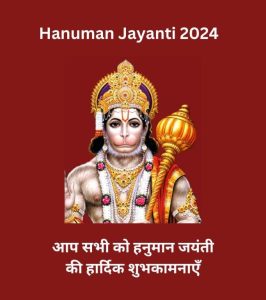
Hanuman Jayanti 2024, the auspicious celebration commemorating the birth of Lord Hanuman, holds immense significance in Hindu culture and spirituality. This article delves into the rich history, traditions, and modern observance of this revered festival.
Significance of Hanuman Jayanti
Hanuman Jayanti is a day of veneration and devotion to Lord Hanuman, the epitome of strength, devotion, and selflessness. It symbolizes the triumph of good over evil and serves as a reminder of the power of unwavering faith.
History of Hanuman Jayanti
According to Hindu mythology, Hanuman was born to Anjana and Kesari by the blessings of Lord Shiva. His birth is believed to have occurred on the full moon day of Chaitra month, which falls in April or May. The day of Hanuman Jayanti is observed with great reverence to honor this divine incarnation.
Cultural Importance
Hanuman Jayanti holds immense cultural significance, with festivities marked by prayers, rituals, and bhajans dedicated to Lord Hanuman. Temples are adorned with flowers and lights, and devotees gather to seek blessings and express their devotion through hymns and chants.

Traditions and Celebrations
The celebrations of Hanuman Jayanti vary across regions but commonly include fasting, visiting temples, and reciting Hanuman Chalisa—a hymn praising Hanuman’s virtues and exploits. Devotees offer special prayers and perform acts of charity as a mark of reverence.
The Legend of Hanuman
Birth of Hanuman
Hanuman was born to Anjana, an apsara cursed to live as a monkey, and Kesari, the king of the monkeys. His birth was a result of Anjana’s penance and the blessings of Lord Shiva, making him an incarnation of Lord Shiva’s energy.
Hanuman’s Childhood Exploits
Hanuman’s childhood was marked by his mischievous and adventurous nature. He was known for his strength and intelligence, often playing pranks on sages and celestial beings.
Hanuman’s Devotion to Lord Rama
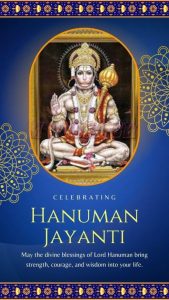
Hanuman’s life changed when he met Lord Rama and became his ardent devotee. He played a pivotal role in the epic Ramayana, aiding Rama in his quest to rescue Sita from the clutches of the demon king Ravana.
Hanuman’s Role in the Ramayana
Hanuman’s unwavering devotion and unparalleled courage were exemplified in his journey to find Sita in Lanka, his leap across the ocean, and his pivotal role in the battle against Ravana’s forces.
Rituals and Customs
Fasting and Prayer
Devotees observe fasts and offer prayers to seek Hanuman’s blessings for strength, courage, and protection from evil forces.
Visiting Hanuman Temples
Hanuman temples are adorned with flowers and adorned with garlands, and devotees throng these sacred spaces to offer their prayers and seek blessings.

Offering Prayers and Offerings
Devotees offer vermilion, sweets, and fruits to Lord Hanuman as a mark of devotion and gratitude.
Chanting Hanuman Chalisa
Reciting the Hanuman Chalisa, a hymn composed by the saint Tulsidas, is believed to invoke Hanuman’s blessings and protection from obstacles and adversities.
Hanuman Jayanti Around the World
Observance in India
In India, Hanuman Jayanti is celebrated with fervor and enthusiasm in various states, including Uttar Pradesh, Maharashtra, Karnataka, and Andhra Pradesh.
Celebrations in Hindu Communities Worldwide
Hindu communities across the globe observe Hanuman Jayanti with religious ceremonies, cultural programs, and community gatherings, reinforcing the bond of devotion and unity.
Modern Observance and Adaptations
Hanuman Jayanti in the Digital Age
In the age of technology, Hanuman Jayanti is celebrated with virtual events, online bhajans, and live-streamed ceremonies, allowing devotees from around the world to participate in the festivities.
Virtual Celebrations and Social Media Impact
Social media platforms witness a surge in Hanuman Jayanti-related posts, with devotees sharing prayers, anecdotes, and inspirational stories of Hanuman’s valor and devotion, fostering a sense of community and spiritual connection.
Conclusion
Hanuman Jayanti stands as a testament to the enduring legacy of Lord Hanuman, inspiring millions with his devotion, courage, and selflessness. As devotees across the world come together to celebrate his divine presence, the spirit of Hanuman Jayanti continues to unite hearts and souls in reverence and devotion.
FAQs about Hanuman Jayanti
Q1: When is Hanuman Jayanti celebrated? Hanuman Jayanti is typically celebrated on the full moon day of the Hindu lunar month of Chaitra, which falls in April or May.
Q2: How do devotees observe Hanuman Jayanti? Devotees observe Hanuman Jayanti by fasting, visiting temples, reciting Hanuman Chalisa, and offering prayers and offerings to Lord Hanuman.
Q3: What is the significance of Hanuman Chalisa? Hanuman Chalisa is a hymn composed by the saint Tulsidas, praising Hanuman’s virtues and seeking his blessings for protection and prosperity.
Q4: Are there any specific rituals associated with Hanuman Jayanti? Rituals associated with Hanuman Jayanti include fasting, offering prayers, visiting Hanuman temples, and reciting Hanuman Chalisa.
Q5: How is Hanuman Jayanti celebrated in different parts of the world? Hanuman Jayanti is celebrated with cultural programs, religious ceremonies, and community gatherings in Hindu communities worldwide, showcasing the global reverence for Lord Hanuman.
हनुमान जयंती, भगवान हनुमान के जन्म की स्मृति में मनाया जाने वाला शुभ उत्सव, हिंदू संस्कृति और आध्यात्मिकता में बहुत महत्व रखता है। यह लेख इस श्रद्धेय त्योहार के समृद्ध इतिहास, परंपराओं और आधुनिक पालन पर प्रकाश डालता है।
हनुमान जयंती का महत्व
हनुमान जयंती शक्ति, भक्ति और निस्वार्थता के प्रतीक भगवान हनुमान की पूजा और भक्ति का दिन है। यह बुराई पर अच्छाई की विजय का प्रतीक है और अटूट विश्वास की शक्ति की याद दिलाता है।
हनुमान जयंती का इतिहास
हिंदू पौराणिक कथाओं के अनुसार, हनुमान का जन्म भगवान शिव के आशीर्वाद से अंजना और केसरी के यहां हुआ था। माना जाता है कि उनका जन्म चैत्र माह की पूर्णिमा के दिन हुआ था, जो अप्रैल या मई में आती है। इस दिव्य अवतार का सम्मान करने के लिए हनुमान जयंती का दिन बड़ी श्रद्धा के साथ मनाया जाता है।
सांस्कृतिक महत्व
हनुमान जयंती का अत्यधिक सांस्कृतिक महत्व है, जिसमें भगवान हनुमान को समर्पित प्रार्थनाओं, अनुष्ठानों और भजनों के साथ उत्सव मनाया जाता है। मंदिरों को फूलों और रोशनी से सजाया जाता है, और भक्त आशीर्वाद लेने और भजन और मंत्रों के माध्यम से अपनी भक्ति व्यक्त करने के लिए इकट्ठा होते हैं।
परंपराएँ और उत्सव
हनुमान जयंती का उत्सव अलग-अलग क्षेत्रों में अलग-अलग होता है, लेकिन आम तौर पर इसमें उपवास, मंदिरों में जाना और हनुमान चालीसा का पाठ करना शामिल होता है – हनुमान के गुणों और कारनामों की प्रशंसा करने वाला एक भजन। भक्त श्रद्धा के प्रतीक के रूप में विशेष प्रार्थनाएँ करते हैं और दान के कार्य करते हैं।
हनुमान की कथा
हनुमान का जन्म
हनुमान का जन्म बंदर के रूप में रहने के लिए शापित अप्सरा अंजना और बंदरों के राजा केसरी से हुआ था। उनका जन्म अंजना की तपस्या और भगवान शिव के आशीर्वाद का परिणाम था, जिससे वे भगवान शिव की शक्ति का अवतार बन गये।
हनुमान के बचपन के कारनामे
हनुमान का बचपन उनके शरारती और साहसी स्वभाव से चिह्नित था। वह अपनी ताकत और बुद्धि के लिए जाना जाता था, अक्सर ऋषियों और दिव्य प्राणियों के साथ मज़ाक करता था।
भगवान राम के प्रति हनुमान की भक्ति
हनुमान का जीवन तब बदल गया जब वे भगवान राम से मिले और उनके परम भक्त बन गये। उन्होंने महाकाव्य रामायण में एक महत्वपूर्ण भूमिका निभाई, सीता को राक्षस राजा रावण के चंगुल से बचाने की खोज में राम की सहायता की।
रामायण में हनुमान की भूमिका
हनुमान की अटूट भक्ति और अद्वितीय साहस का उदाहरण लंका में सीता को खोजने की उनकी यात्रा, समुद्र के पार उनकी छलांग और रावण की सेना के खिलाफ लड़ाई में उनकी महत्वपूर्ण भूमिका थी।
अनुष्ठान और रीति-रिवाज
उपवास और प्रार्थना
भक्त शक्ति, साहस और बुरी ताकतों से सुरक्षा के लिए हनुमान का आशीर्वाद पाने के लिए व्रत रखते हैं और प्रार्थना करते हैं।
हनुमान मंदिरों के दर्शन
हनुमान मंदिरों को फूलों से सजाया जाता है और मालाओं से सजाया जाता है, और भक्त इन पवित्र स्थानों पर प्रार्थना करने और आशीर्वाद लेने के लिए आते हैं।
प्रार्थना और प्रसाद अर्पित करना
भक्त भक्ति और कृतज्ञता के प्रतीक के रूप में भगवान हनुमान को सिन्दूर, मिठाई और फल चढ़ाते हैं।
हनुमान चालीसा का जाप करें
माना जाता है कि संत तुलसीदास द्वारा रचित भजन हनुमान चालीसा का पाठ करने से हनुमान का आशीर्वाद मिलता है और बाधाओं और प्रतिकूलताओं से सुरक्षा मिलती है।
दुनिया भर में हनुमान जयंती
भारत में पालन
भारत में, हनुमान जयंती उत्तर प्रदेश, महाराष्ट्र, कर्नाटक और आंध्र प्रदेश सहित विभिन्न राज्यों में उत्साह और उमंग के साथ मनाई जाती है।
दुनिया भर में हिंदू समुदायों में उत्सव
दुनिया भर में हिंदू समुदाय भक्ति और एकता के बंधन को मजबूत करते हुए धार्मिक समारोहों, सांस्कृतिक कार्यक्रमों और सामुदायिक समारोहों के साथ हनुमान जयंती मनाते हैं।
आधुनिक पालन और अनुकूलन
डिजिटल युग में हनुमान जयंती
प्रौद्योगिकी के युग में, हनुमान जयंती आभासी कार्यक्रमों, ऑनलाइन भजनों और लाइव-स्ट्रीम समारोहों के साथ मनाई जाती है, जिससे दुनिया भर के भक्तों को उत्सव में भाग लेने की अनुमति मिलती है।
आभासी समारोह और सोशल मीडिया प्रभाव
सोशल मीडिया प्लेटफॉर्म पर हनुमान जयंती से संबंधित पोस्टों में वृद्धि देखी गई है, जिसमें भक्त हनुमान की वीरता और भक्ति की प्रार्थनाएं, उपाख्यान और प्रेरणादायक कहानियां साझा कर रहे हैं, जिससे समुदाय और आध्यात्मिक संबंध की भावना को बढ़ावा मिल रहा है।
निष्कर्ष
हनुमान जयंती भगवान हनुमान की स्थायी विरासत का एक प्रमाण है, जो उनकी भक्ति, साहस और निस्वार्थता से लाखों लोगों को प्रेरित करती है। जैसे-जैसे दुनिया भर के भक्त उनकी दिव्य उपस्थिति का जश्न मनाने के लिए एक साथ आते हैं, हनुमान जयंती की भावना दिलों और आत्माओं को श्रद्धा और भक्ति में एकजुट करती रहती है।
हनुमान जयंती के बारे में अक्सर पूछे जाने वाले प्रश्न
Q1: हनुमान जयंती कब मनाई जाती है?
हनुमान जयंती आमतौर पर चैत्र के हिंदू चंद्र महीने की पूर्णिमा के दिन मनाई जाती है, जो अप्रैल या मई में आती है।
Q2: भक्त हनुमान जयंती कैसे मनाते हैं?
भक्त हनुमान जयंती को उपवास करके, मंदिरों में जाकर, हनुमान चालीसा का पाठ करके और भगवान हनुमान की पूजा और प्रसाद चढ़ाकर मनाते हैं।
Q3: हनुमान चालीसा का क्या महत्व है?
हनुमान चालीसा संत तुलसीदास द्वारा रचित एक भजन है, जिसमें हनुमान के गुणों की प्रशंसा की जाती है और सुरक्षा और समृद्धि के लिए उनका आशीर्वाद मांगा जाता है।